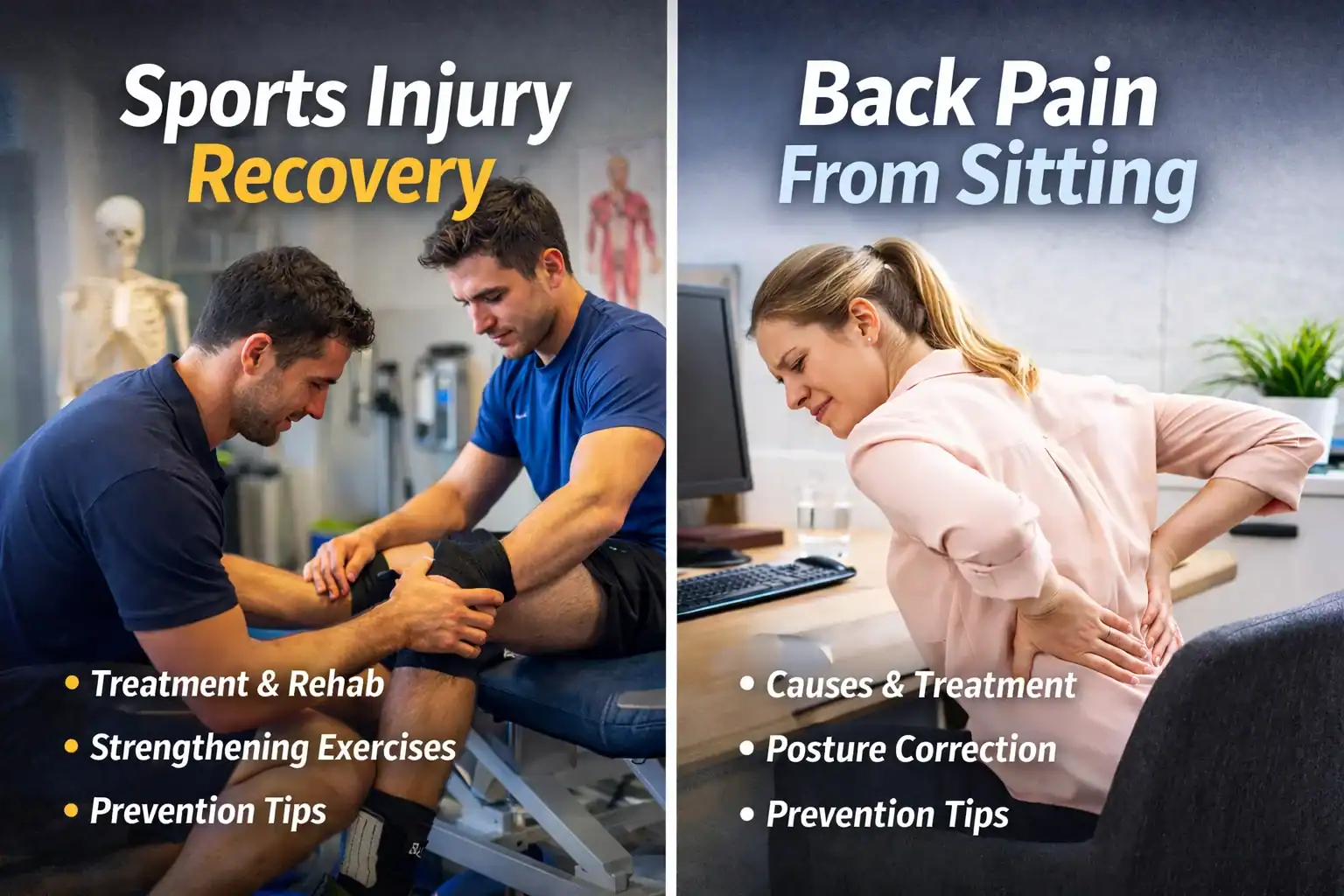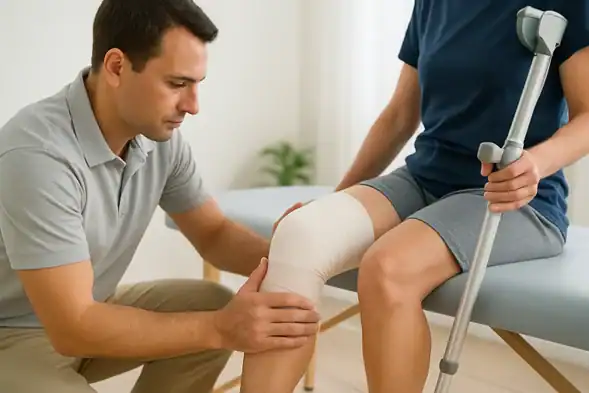

Sports injuries are common among athletes and active individuals. Whether caused by overuse, sudden impact or improper movement, injuries can affect muscles, ligaments and joints.
Proper rehabilitation is essential for restoring strength, mobility and performance. Physiotherapy plays a crucial role in helping patients recover safely and preventing long-term complications.At MRP Health, our physiotherapists help patients recover from sports injuries through personalised treatment plans and rehabilitation programs.
Common Types of Sports Injuries
Sports injuries can affect different parts of the body depending on the activity.
Some of the most common injuries include:
• muscle strains
• ligament sprains
• knee injuries
• shoulder injuries
• tendonitis
• ankle sprains
• overuse injuries
These injuries may occur during sports such as running, football, tennis or gym training.
Why Proper Rehabilitation Is Important
Many people try to return to activity too soon after an injury. However, incomplete recovery increases the risk of reinjury.
Rehabilitation helps:
• restore muscle strength
• improve joint stability
• reduce pain and inflammation
• correct movement patterns
• prevent recurring injuries
A structured physiotherapy program allows the body to heal safely.
Physiotherapy Treatments for Sports Injuries
Physiotherapists use several treatment techniques depending on the type of injury.
Common treatments include:
Manual therapy
Hands-on techniques help reduce pain and improve joint mobility.
Rehabilitation exercises
Strengthening exercises restore muscle function and support injured joints.
Dry needling
Dry needling can relieve muscle tension and improve circulation.
Movement retraining
Correcting movement patterns helps prevent future injuries.
How Long Does Recovery Take?
Recovery time depends on several factors including:
• severity of the injury
• patient age
• physical condition
• rehabilitation consistency
Minor injuries may recover within a few weeks, while more serious injuries may require several months of rehabilitation.
Tips to Prevent Sports Injuries
Warm up properly
A proper warm-up prepares muscles and joints for physical activity.
Strengthen supporting muscles
Strong muscles protect joints and reduce injury risk.
Increase training intensity gradually
Sudden increases in activity can lead to overuse injuries.
Rest and recover
Allowing the body time to recover between workouts is essential.
FAQs About Sports Injuries
Stop the activity immediately and apply rest, ice and compression to reduce swelling. Seeking physiotherapy assessment is recommended.
If pain persists for more than a few days or affects mobility, a physiotherapist can assess the injury and create a treatment plan.
Yes. Physiotherapists can identify movement imbalances and design strengthening programs to reduce injury risk.
This depends on the type and severity of the injury. A physiotherapist can guide safe exercises during recovery.
Sports injuries can disrupt training and daily activities, but proper rehabilitation allows patients to recover safely and return to physical activity.
Physiotherapy plays a key role in reducing pain, restoring mobility and preventing reinjury.
If you are recovering from a sports injury, consulting a physiotherapist can help you recover faster and improve long-term performance.