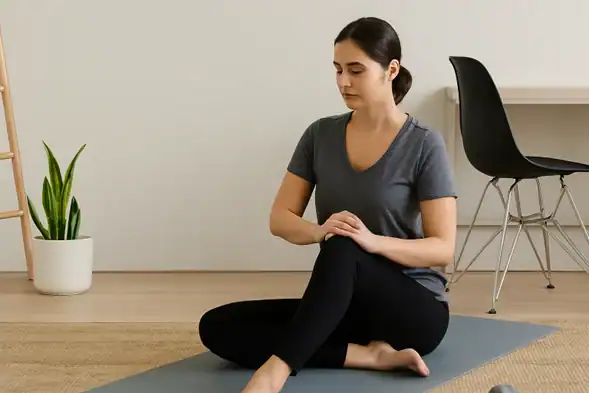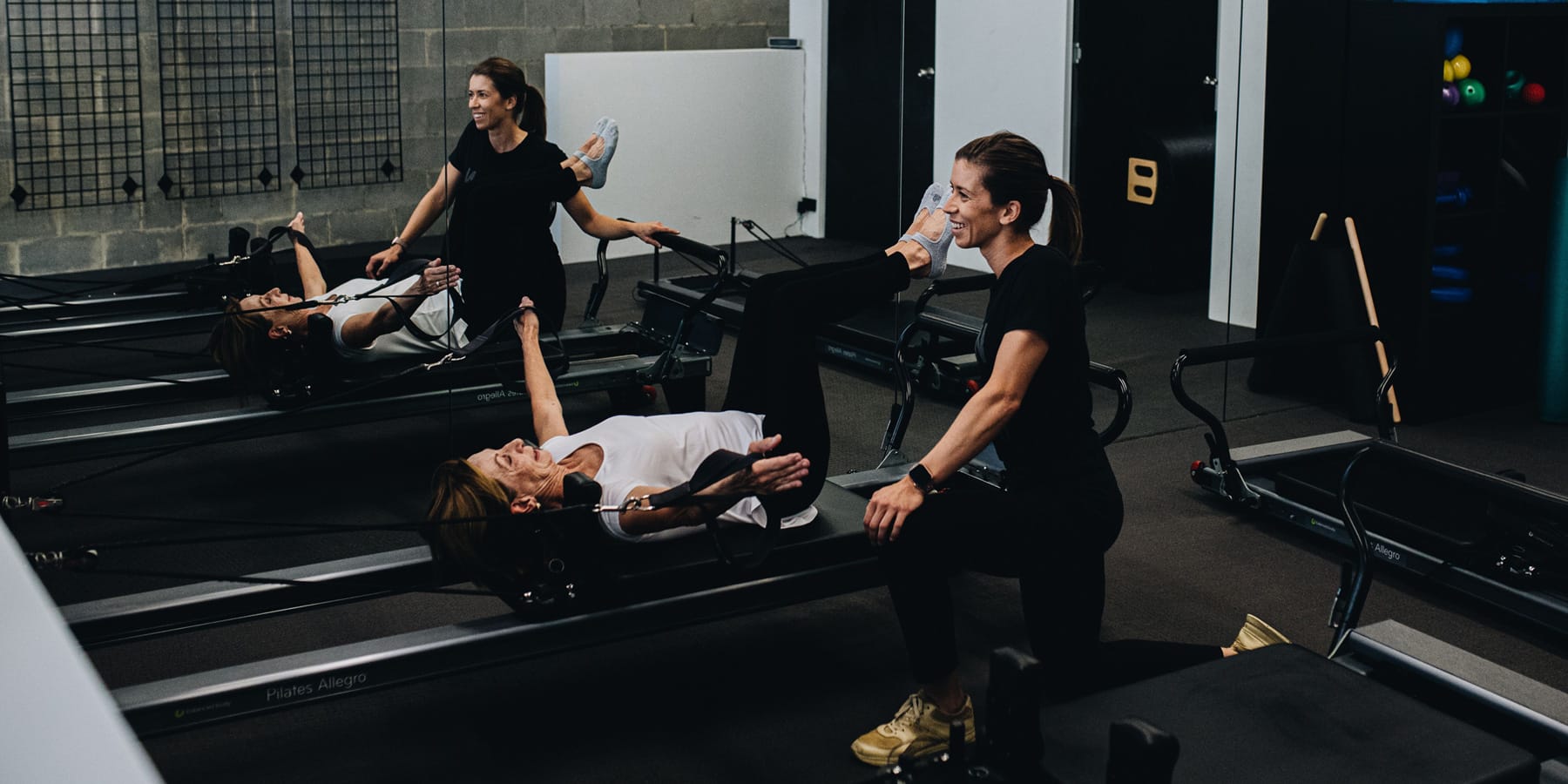

Exercise plays a vital role in injury prevention, but how you train matters as much as how often you train. Clinical Pilates and gym training serve different purposes, and understanding these differences helps reduce injury risk.
Physiotherapists frequently see injuries linked to poor movement control, overloading and lack of supervision — especially in gym-based programs.
What Is Clinical Pilates?
Clinical Pilates is a physiotherapist-led exercise approach focused on:
- Movement quality
- Core stability
- Postural control
- Injury prevention and rehabilitation
Programs are individualised and adjusted based on injury history, physical capacity and movement assessment.
What Is Gym Training?
Gym training generally focuses on:
- Strength and conditioning
- Muscle hypertrophy
- Cardiovascular fitness
While effective for fitness, gym programs may not address movement faults or injury risks unless guided by a health professional.
Key Differences Between Clinical Pilates and Gym Training
Clinical Pilates emphasises:
- Controlled, precise movement
- Injury-specific exercise selection
- Ongoing supervision and correction
Gym training emphasises:
- Load progression
- Performance outcomes
- Generalised programs
Both can be effective when used appropriately.
Which Is Better for Injury Prevention?
From a physiotherapy perspective, clinical Pilates is often recommended for:
- People with previous injuries
- Chronic pain conditions
- Office workers with postural issues
- Athletes during rehabilitation or pre-season
Gym training is generally more suitable once movement quality, strength balance and control have been established.
Can You Combine Clinical Pilates and Gym Training?
Yes. Many physiotherapists recommend starting with clinical Pilates to build a strong movement foundation, then progressing to gym training for strength and conditioning.
This combination reduces injury risk and improves long-term outcomes.
Why Physio-Led Pilates Reduces Injury Risk
Clinical Pilates sessions typically include:
- Initial movement screening
- Technique correction
- Progressive loading
- Exercise modification based on symptoms
This level of supervision significantly lowers injury risk compared to unsupervised exercise.
Clinical Pilates in Sydney at MRP Health
At MRP Health, clinical Pilates programs are designed and supervised by physiotherapists to support safe movement and injury prevention.
FAQs
Clinical Pilates is generally safer for injury prevention, especially for people with pain or previous injuries.
Not always, but a physio assessment helps identify risks and movement issues before training.
Yes. It improves movement control, strength balance and posture, which reduces injury risk.